
Finding my voice in cancer research: Lessons from the AWACAN-ED research schools
Denis Okova, our AWACAN-ED Health Economics PhD Scholar at the University of Cape Town, reflects here on what attending the AWACAN-ED Schools has provided for him.
Attending the AWACAN-ED Southern African cancer research school has been one of the most rewarding experiences of my academic journey, thus far. Having attended three AWACAN-ED schools, I have been fortunate to witness not only my own development as a researcher but also the growth of a dynamic network of emerging cancer researchers across Southern Africa and beyond.
As a health economist working in cancer research, the school has largely influenced how I think about cancer control, health systems, and the role of research in improving patient outcomes. It has reinforced the importance of interdisciplinary approaches to tackling cancer challenges and exposed me to perspectives from clinicians, epidemiologists, implementation scientists, policymakers, and patient advocates. These interactions have broadened my understanding of what it takes to strengthen cancer care pathways and improve outcomes for patients across the continent.
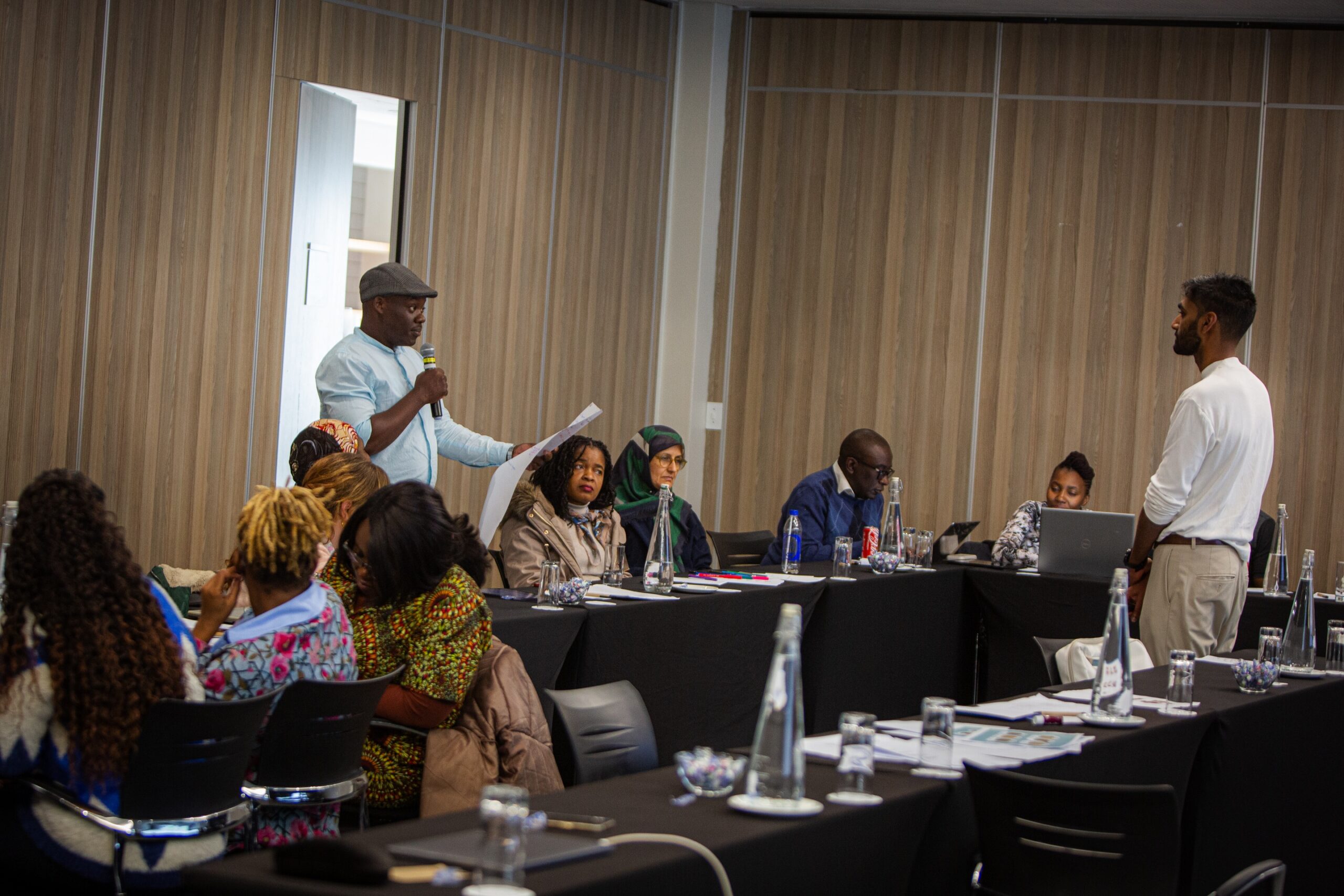 One of the most unexpected benefits of AWACAN-ED has been my growth as a qualitative researcher. At the start of my PhD, qualitative research was largely unfamiliar territory. Through the school’s workshops, discussions, and mentorship, I developed a deeper appreciation for qualitative methods and their ability to uncover dimensions that numbers alone cannot capture. One of my PhD objectives explores the intangible costs of cervical cancer treatment through qualitative interviews with women receiving treatment. What began as a daunting component of my research has become one of the most rewarding. In fact, I believe this work has produced the strongest paper of my PhD. It reminded me of the value of triangulating quantitative and qualitative findings combining economic measures with lived experiences to tell a richer story about the burden of disease.
The school has also played an important role in developing my confidence as a researcher and communicator. Early in my journey, presenting research ideas and engaging with senior academics could feel intimidating. However, the supportive environment created by AWACAN-ED encouraged me to share my ideas, ask questions, and actively participate in discussions. Over time, this strengthened my public speaking skills and confidence in communicating research to diverse audiences; skills that continue to benefit me in conferences, seminars, and in teaching engagements.
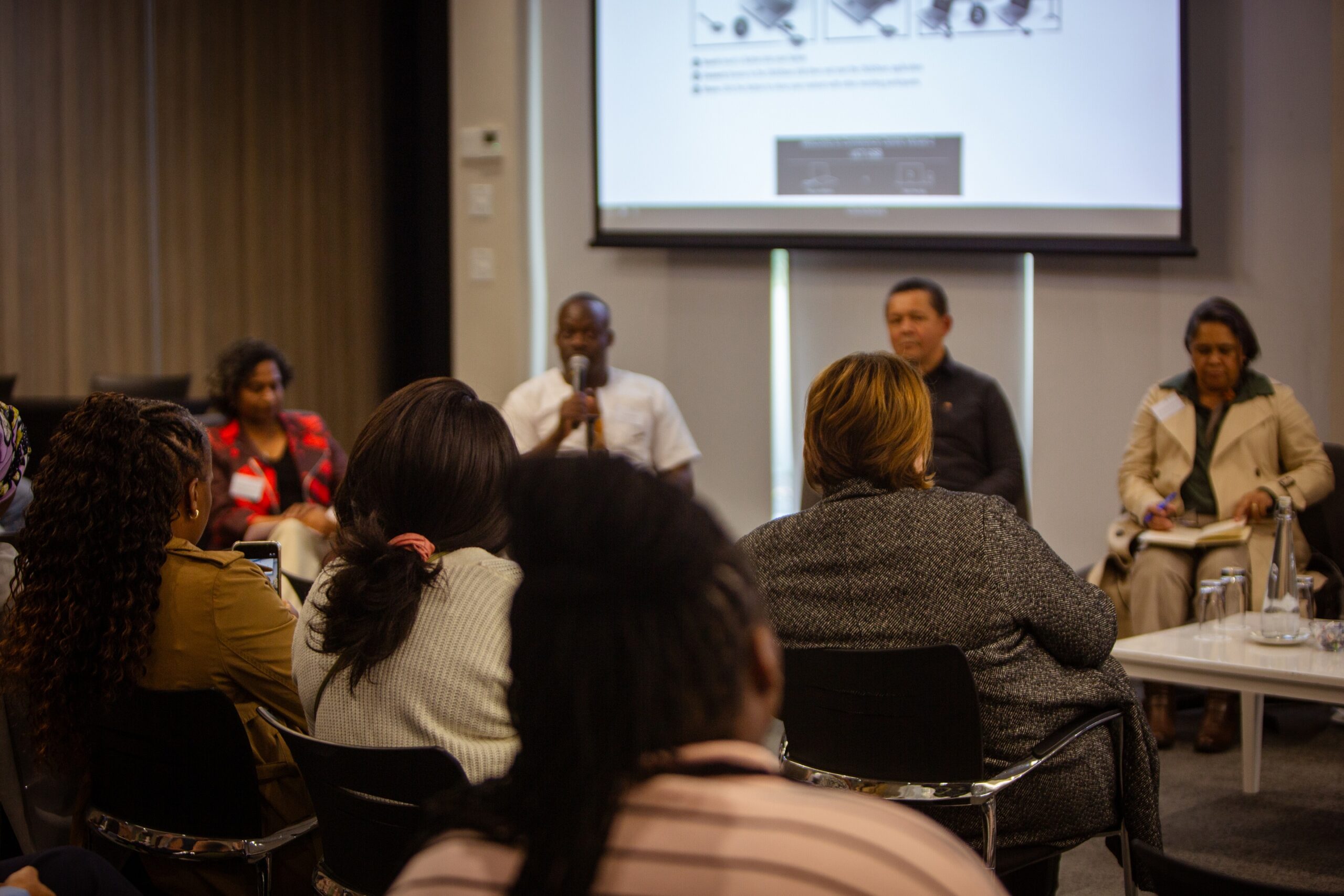 A particular highlight of my AWACAN-ED journey was the opportunity to serve as a panelist at the project’s dissemination event in May 2026. Participating in discussions on health system strengthening, community engagement, future research priorities, advocacy, and strategies for improving early cancer diagnosis in Southern Africa was both humbling and inspiring. It was rewarding to contribute a health economics perspective while learning from researchers, clinicians, policymakers, and other stakeholders committed to improving cancer outcomes in the region. It was also a sobering reminder of how much needs to be done to bridge the gap between evidence and action.
Beyond the academic content, AWACAN-ED has fostered a strong sense of community. The relationships built through the school have created opportunities for collaboration, mentorship, and peer support that will extend far beyond the programme itself.
As I trudge towards the sunset of my PhD journey, I remain grateful for the opportunities that AWACAN-ED has provided. The knowledge gained, professional networks forged, research confidence developed, and invaluable soft skills cultivated have all contributed to my growth as an emerging research leader. Most importantly, the experience has strengthened my commitment to generating evidence that can improve cancer outcomes and reduce the burden of cancer across Africa.