
Finding My Place in the Puzzle: Reflections on the AWACAN-ED Cancer Research School
Prudence Kandi, a Public Health PhD student at the University of Cape Town, attended three of the AWACAN-ED Schools, including the most recent one in May 2026 in Cape Town. She reflects here on her experiences.
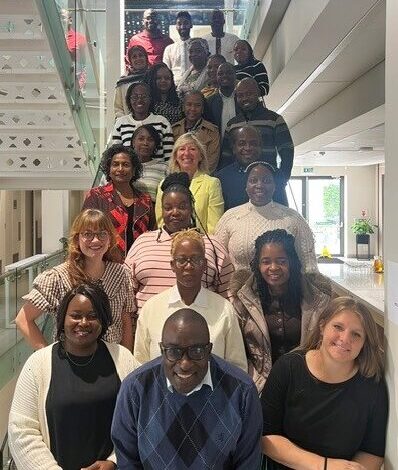 Community. Home. Belonging. That is how I felt at my first AWACAN-ED School in Harare, Zimbabwe. I remember feeling curious, filled with anticipation and a sense that I was standing at the edge of something very promising. A small melting pot of emerging and seasoned academics from different backgrounds, levels of experience, and cultures had descended on Cresta Lodge for a week-long AWACAN-ED School, and somehow, I was one of them.
I arrived with a vague PhD topic. I left with something far more valuable: a concrete research direction, methodological clarity, and connections to academics I could only have dreamed of meeting. I also left feeling like a puzzle piece that had finally found its place. Before the School, I often wondered whether my interests, experiences, and research ambitions truly fit within the field of cancer research. AWACAN-ED helped me see that what I once thought made me different was actually what made me valuable. For the first time, I could see how my piece connected to a much larger picture, and I felt right at home. I also won Best Dancer, but that is a story for another day…
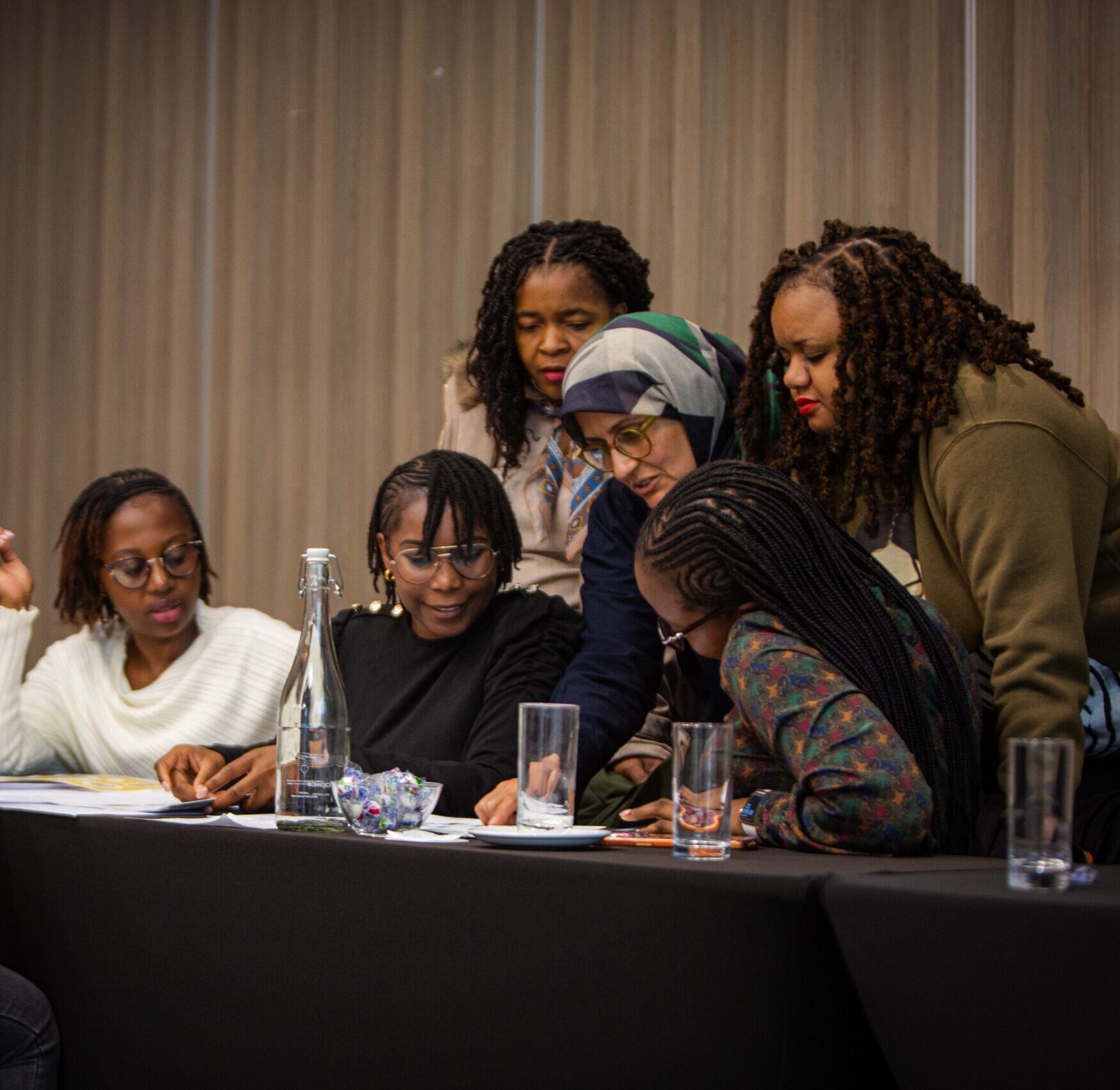 In the Schools that followed, I watched that puzzle grow. I saw fellow scholars move from half-formed ideas to ethics approvals, from data collection to published articles, and from uncertainty to completed PhDs. The journeys were never straightforward. Some were long. Some were emotionally exhausting. Yet there was comfort in travelling together. We understood each other in a way that people outside the process rarely can. I remember sessions on the rise of colorectal cancer in sub-Saharan Africa, the challenges of diagnosing cancer early, and the realities of already stretched health systems. Rather than discouraging me, these discussions helped me realise that there is a place for everyone in this work. Cancer is becoming an increasingly important public health challenge in our region, and I began to understand how I could contribute to addressing it.
By the final School, I was no longer the newcomer wondering what I had got myself into. I was proudly presenting my own work, with ethics approval secured, data collection underway, and findings beginning to take shape. I was sharing my journey with a room that included people who were exactly where I had once been. That felt significant. Not because I was making progress, but because I could now offer encouragement and support to others in the same way that earlier scholars and mentors had supported me.
That last School was bittersweet. The funding cycle had come to an end, and with it the annual gatherings that I had come to look forward to. But the closing sessions gave me something unexpected. Researchers presented the AWACAN-ED toolkits for public cancer awareness and showed how research findings could be translated into practical resources for communities.
I listened carefully because the words of a woman I had recently interviewed kept replaying in my mind. She was a sex worker, someone who had trusted me with her experiences. At the end of our interview, she said:
“So Prudence, the only thing I want to know is for you to explain to us what cervical cancer is. Not to leave us hanging without knowing what it is. That is the only thing I want to understand.”
Those words stayed with me. As I sat in that session, I realised that the awareness toolkits offered a possible way of responding to that request. They reminded me that research is not only about producing knowledge. It is also about making sure that knowledge reaches the people who need it most.
That is what the AWACAN-ED School gave me over those years. It gave me skills, guidance, friendships, and a community. It helped shape my PhD and strengthened my belief that research should ultimately serve people. Most importantly, it helped me find my place in the puzzle. I leave feeling richer in knowledge, richer in connections, and richer in purpose.