
Beyond the Clinic: Reflections from the AWACAN-ED Southern Africa School for Cancer Research
Hamish Mubata, an Obstetrics and Gynaecology resident at the University of Zimbabwe, reflects on his recent attendance at the AWACAN-ED School in Cape Town
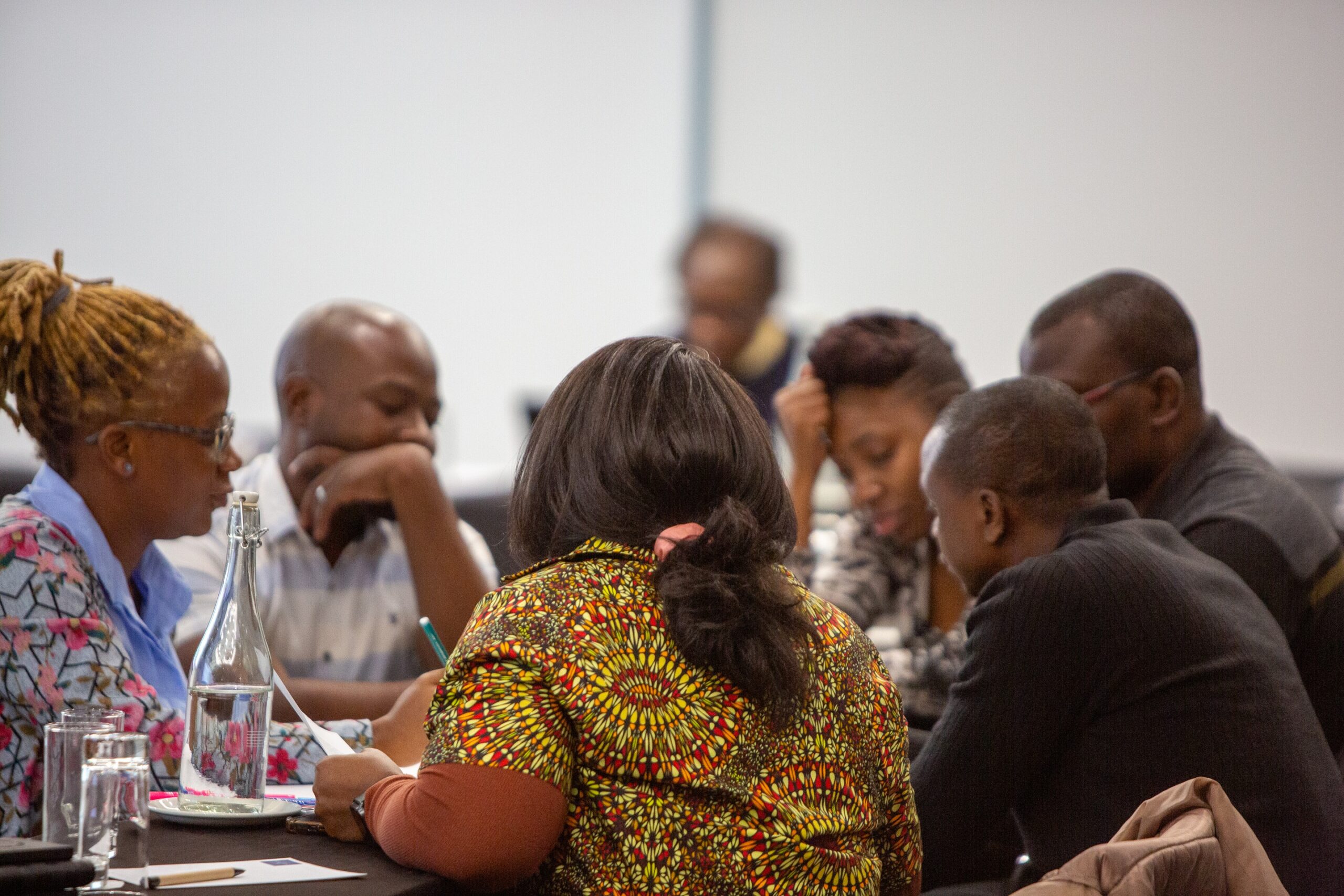 When I attended the 4th AWACAN-ED Southern Africa School for Cancer Research in Cape Town from 11–13 May 2026, I expected to strengthen my understanding of research methods and cancer control strategies. What I did not expect was to leave with a completely different perspective on collaboration, research, and their power to improve cancer care across Africa.
As an Obstetrics and Gynaecology resident in Zimbabwe with a growing interest in gynaecological oncology, my clinical work is often centred on women presenting with advanced cervical cancer. Many arrive when curative treatment is no longer possible, highlighting persistent gaps in early detection and access to care. These experiences strengthened my interest in studying diagnosis-to-treatment delays and their impact on outcomes.
One of the most valuable aspects of the AWACAN School was engaging with mentors, clinicians, and early-career researchers from across Africa. Despite differences in health systems, presentations on breast, cervical, and colorectal cancers highlighted very similar barriers to early diagnosis. It was encouraging to see research that is grounded in local contexts and addressing shared challenges in practical ways.
Presenting my own research was a formative experience. Feedback from mentors and peers pushed me to think beyond collecting and analysing data, and instead to consider how evidence can translate into policy and strengthen health systems, with the goal of improving outcomes. It reinforced the idea that research only achieves its full value when it informs action.
Sessions on scientific writing, dissemination, and the responsible use of artificial intelligence were especially impactful. The discussions on AI highlighted how these tools can support research while reinforcing the importance of critical thinking and scientific judgment. The dissemination session, particularly the stakeholder engagement event with researchers, clinicians, and policymakers, reinforced that research has impact only when it is clearly communicated and translated into decisions that improve health systems.
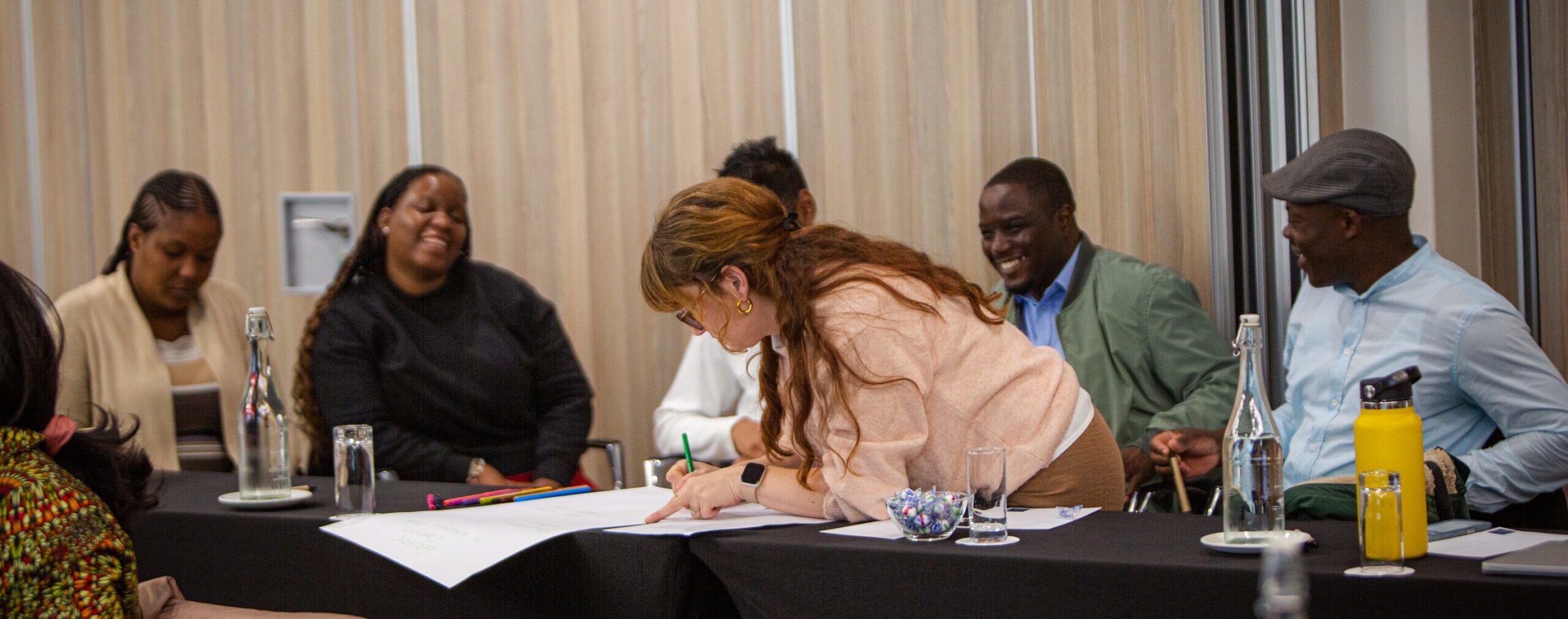 Informal discussions during breaks and networking sessions created space for honest exchange of ideas beyond the formal programme. I am also grateful to the mentors who generously shared their experience and provided thoughtful feedback throughout the School. These conversations reminded me that although our health systems differ, we share many of the same challenges and opportunities. They also laid the foundation for future collaborations.
This was my first AWACAN School, but it has influenced my career trajectory. I now see my role not only as a clinician, but also as a researcher contributing to evidence that strengthens cancer prevention and improves early diagnosis across the region.
I left the School convinced that improving cancer outcomes in our region depends not only on generating high-quality evidence, but also on building the collaborations needed to ensure that evidence is shared, understood, and translated into meaningful action